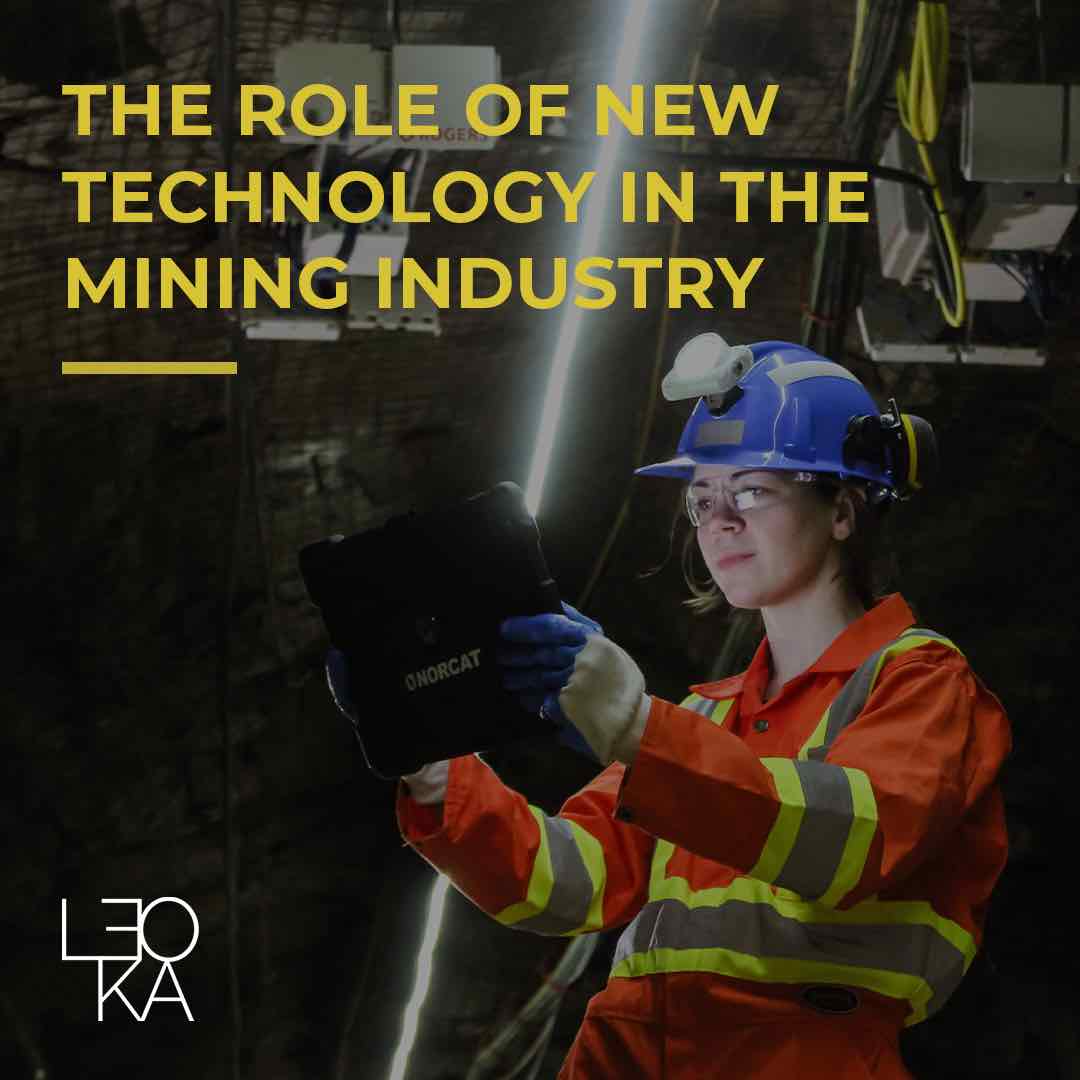
The mining industry, once synonymous with heavy machinery and manual labor, is undergoing a remarkable transformation driven by the integration of cutting-edge technologies. In this blog post, we will delve into the transformative power of new technology in the mining industry, focusing on its profound impact on safety, efficiency, and sustainability.
Enhanced Safety
Safety has always been a paramount concern in mining operations. The advent of new technology has revolutionized safety measures, making them more proactive and effective. Advanced sensors and monitoring systems are now embedded in equipment and infrastructure to detect potential hazards, such as gas leaks, unstable ground conditions, and equipment failures. Real-time data collected by these sensors enables quick risk identification, leading to timely interventions and a reduced likelihood of accidents or injuries. Furthermore, the deployment of autonomous vehicles and drones enhances safety by eliminating the need for human operators in hazardous environments and enabling inspections and surveys without personnel risk.
Increased Efficiency
New technology is driving remarkable improvements in efficiency along the mining value chain. Automation is a key area of innovation, with autonomous haul trucks and drilling systems guided by artificial intelligence operating continuously, minimizing downtime, and optimizing productivity. These systems can also operate within specific parameters, ensuring consistent and precise performance. Moreover, data analytics and machine learning are transforming mining operations management by providing valuable insights from various data sources. These insights help optimize processes, predict maintenance needs, and make informed decisions, ultimately improving efficiency and reducing costs.
Sustainable Practices
The mining industry faces growing pressure to adopt sustainable practices and reduce its environmental impact. Thankfully, new technologies are enabling significant strides in this direction. Advanced remote sensing techniques like satellite imagery and LiDAR enable more precise identification of mineral deposits, reducing unnecessary exploration activities and minimizing environmental disturbance. The integration of renewable energy sources, such as solar and wind power systems, is becoming commonplace, reducing greenhouse gas emissions and dependence on fossil fuels. Energy-efficient equipment and advanced ventilation systems also contribute to a greener and more sustainable mining industry.
The mining industry’s transformation through new technology is nothing short of extraordinary. From enhancing safety to increasing efficiency and promoting sustainability, these innovations are reshaping how mining operations are conducted. However, successful implementation requires collaboration between mining companies, technology providers, and regulatory bodies, along with ongoing training and upskilling of the workforce to ensure a seamless transition and optimal utilisation of these technologies. Embracing this transformation is not only beneficial for the industry but also for the well-being of its workers and the environment.



You must be logged in to post a comment.